
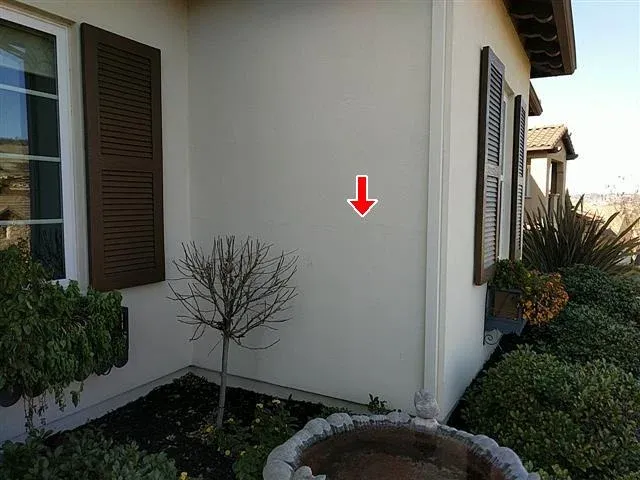
Buying a house is a major financial decision, and checking its condition before completing the purchase is essential. A property may look attractive during a viewing, but hidden maintenance issues or damaged systems can create unexpected expenses later. A home inspection helps buyers understand the property’s visible condition and identify areas that may require attention before making a final decision.
What Is a Home Inspection?
A home inspection is a professional assessment of a property’s accessible components and systems. The inspector examines visible areas to identify defects, deterioration, and potential safety concerns.
A typical inspection may cover:
- Roof and exterior surfaces.
- Foundation and visible structural components.
- Plumbing fixtures and accessible pipes.
- Electrical panels and visible wiring.
- Heating and cooling systems.
- Windows, doors, walls, and ceilings.
- Signs of moisture and drainage problems.
After the assessment, the inspector prepares a report describing the findings and recommending further evaluation where necessary. However, a standard inspection cannot guarantee that every hidden defect will be discovered.
Why Is a Home Inspection Important Before Buying a House?
1. Identify Potential Property Problems
A house may have issues that are difficult to notice during a short visit. Roof deterioration, plumbing leaks, damaged windows, and visible foundation cracks can require closer examination.
An inspection helps buyers understand these concerns before completing the transaction. If a serious defect is suspected, additional assessment by a qualified specialist may be necessary.
2. Plan for Future Maintenance Expenses
Homeownership involves ongoing costs beyond the purchase price. Roofing materials, water heaters, plumbing systems, and air-conditioning equipment may require maintenance or replacement over time.
Inspection findings can help buyers identify potential expenses and prepare a realistic maintenance budget. Although the report cannot predict every future repair, it provides useful information about the property’s current observable condition.
3. Understand Safety Concerns
Certain property defects may affect the safety of occupants. Examples include exposed wiring, damaged stairs, inadequate ventilation, and visible signs of water intrusion.
A home inspector may identify these concerns and recommend further investigation. Some hazards require specialized testing, so buyers should not assume that a standard inspection covers every possible risk.
4. Support Better Purchase Negotiations
Inspection results can help buyers and sellers discuss repairs or other possible arrangements. Depending on the purchase agreement, buyers may request repairs, negotiate an adjustment, or obtain estimates before deciding how to proceed.
Before negotiating, buyers should:
- Identify significant defects in the report.
- Obtain professional repair estimates where necessary.
- Review contractual deadlines and contingencies.
- Discuss available options with their real estate professional.
The seller is not automatically required to agree to every request. The available options depend on the agreement and applicable laws.
5. Make a More Informed Decision
An inspection provides a clearer picture of the house’s condition. This information helps buyers evaluate whether the property suits their needs, budget, and expectations.
It can also highlight routine maintenance tasks that should be addressed after moving in, allowing new homeowners to plan ahead.
What Does a Home Inspector Check?
Roof and Exterior
The inspector examines accessible roofing materials, gutters, exterior walls, windows, and doors for visible damage or deterioration. These observations may reveal conditions that could allow water to enter the property.
Foundation and Structure
Accessible foundation areas, walls, floors, and ceilings may be checked for visible cracks or signs of movement. Not every crack indicates a serious problem, but certain findings may require evaluation by a structural specialist.
Plumbing and Electrical Systems
Inspectors may check accessible plumbing fixtures for leaks and examine visible electrical components for apparent defects. Hidden pipe damage or electrical problems may require additional professional testing.
Heating, Cooling, and Interior Areas
Heating and cooling equipment may be operated using normal controls when conditions permit. Interior walls, floors, stairs, doors, and ceilings are also examined for visible damage and general functionality.
The inspection’s scope varies by property, and inaccessible areas may not be evaluated.
When Should You Schedule a Home Inspection?
In many transactions, buyers arrange an inspection after an offer is accepted and before closing. The timing should follow the purchase agreement and its applicable deadlines.
For a smoother process:
- Review the inspection terms in your agreement.
- Select a qualified home inspector.
- Prepare questions about any concerns noticed during the viewing.
- Read the report carefully after the inspection.
- Arrange specialist assessments if significant problems are identified.
Acting promptly gives buyers more time to understand the findings and consider their options.
Do Newly Built Houses Need an Inspection?
Newly constructed homes can also have incomplete work, installation defects, or drainage concerns. An independent inspection may help identify visible issues before the buyer takes possession.
Depending on the construction stage, buyers may consider inspections before walls are closed and before the final walkthrough. These assessments do not replace required building inspections, permits, or the builder’s warranty obligations.
How to Choose the Right Home Inspector
Before hiring an inspector, consider their experience, qualifications, reporting process, and service coverage.
Look for a professional who:
- Has relevant training and experience.
- Explains the inspection scope clearly.
- Provides a detailed report with photographs where appropriate.
- Communicates findings in understandable language.
- Explains which concerns require specialist evaluation.
Ask about exclusions and additional fees before booking to avoid misunderstandings.
Conclusion
A home inspection helps buyers identify potential problems, understand maintenance needs, and make informed property decisions. Although it cannot uncover every hidden defect, reviewing the findings carefully can reduce uncertainty before closing.
Planning to buy a house in Sacramento, California? Visit Home Inspection Sacramento to explore professional inspection services and learn more about evaluating a property’s condition before making your purchase.